

Challenges overcome and those still ahead
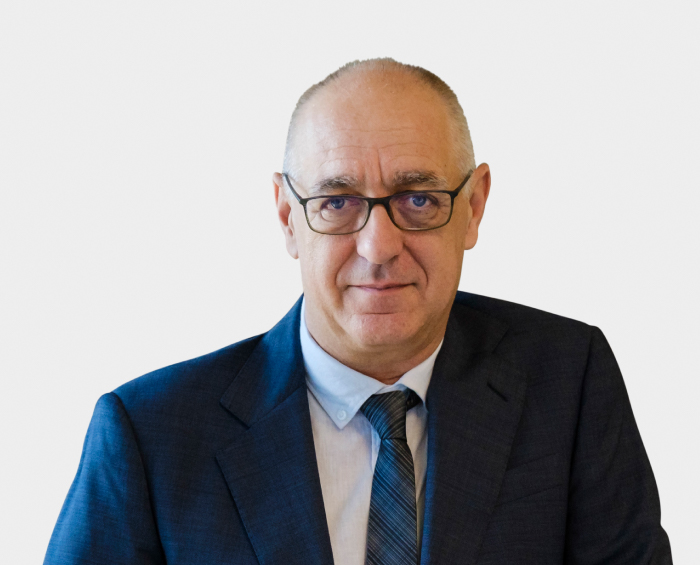
Albert Planell | Director of the Agència de Residus de Catalunya (ARC)


Albert Planell | Director of the Agència de Residus de Catalunya (ARC)

What is your assessment of the 20 years since the first Royal Decree on Waste Electrical and Electronic Equipment?
Overall, the outcome of these two decades is positive. WEEE management has evolved from focusing on safe disposal to adopting a more comprehensive, circular economy approach, where waste is valued as a resource. The introduction of Extended Producer Responsibility (EPR) and the creation of Extended Producer Responsibility Collective Systems (EPRCS) have been instrumental in coordinating efforts, consolidating collection networks and significantly improving the volume and quality of WEEE treatment. This progress has been possible thanks to the combined efforts of producers, distributors, waste managers, public authorities and citizens. At the same time, the regulatory framework has steadily advanced to assign clear responsibilities and set targets that encourage eco-design, reusing and recycling.
However, significant challenges remain. EPR has not sufficiently driven eco-design in a market where immediate consumption still takes precedence over durability and repairability. Products must be designed with repair, reuse and recycling in mind, and investment needs to be encouraged in treatment technologies to recover critical materials. Collaboration between producers and waste managers must also be strengthened, and traceability improved to prevent WEEE from being diverted into unauthorised channels. Finally, we need a more efficient and resilient treatment infrastructure and genuine integration of the circular economy from product design up to end-of-life management.
What new strategic measures are planned to improve WEEE collection rates in Catalonia?
Together with the WEEE EPRCS, the ARC is working on a range of strategic measures to further improve the collection and treatment of this type of waste. One of the main tools is the Third WEEE Agreement (2023–2026), which strengthens the role of local authorities, builds robust collaboration with the EPRCS and provides financial incentives to encourage separate collection and preparation for reuse. Awareness campaigns supported financially by the EPRCS have also been launched for different audiences and channels, such as “Generació Reset” (Generation Reset), aimed at young people, and “Recicla’ls com es mereixen” (Give Them the Recycling They Deserve), which promotes correct WEEE disposal in general. Other campaigns target specific waste streams, such as mobile phones (“Dispositius Positius” [Positive Devices]) or focus on the online channel.
Although these actions have helped to raise collection rates, they are still not enough to meet the targets. That is why new strategic measures are being developed. These include the roll-out of the national eRAEE platform and the Collection Allocation Office, which will allow more precise control of WEEE flows from their origin to final treatment. Plans also call for stricter monitoring of non-compliant producers (free riders), the application of penalties when targets are not met and progress towards a fairer, more transparent system. Finally, new collection networks are being explored with distributors to manage emerging or hard-to-trace waste, such as vapes and other small electronic devices.
Do you think we are on the right track to meet the collection targets set by European regulations? Where do you still see the main bottlenecks?
We are on the right track, but we are still some way from meeting the collection targets required by European regulations. The data show that, despite our efforts, we are not yet achieving the minimum percentages, particularly in certain waste categories and regions. Key obstacles include incomplete WEEE traceability, with many items ending up in unauthorised channels or being exported illegally; the limited involvement of much of the online sales channel, which fails to meet its collection and reporting obligations; the abandonment of devices; thefts at recycling centres; and the accumulation of unused small appliances in households. There is also room to improve cooperation among the different players in the system and to increase public information and awareness.
To meet the targets, it will be essential to tighten control of WEEE flows, improve coordination between producers, EPRCS, distributors, waste managers, public authorities and local organisations, and ensure more active engagement from the online channel. Equally important is to encourage citizens to return unused devices and to foster models that make reuse easier. Only through a collaborative, transparent approach will it be possible to achieve more efficient collection and move closer to the principles of the circular economy.
What role do you see for distributors and online sales channels in improving WEEE collection, and how can their genuine involvement be strengthened?
The role of both physical and online distribution is vital for improving WEEE collection and is clearly regulated. Distributors must facilitate the free return of used appliances (1-for-1 and 1-for-0), inform consumers of their rights and ensure that waste is correctly managed through authorised operators financed by producers.
They must also guarantee that they only sell products from manufacturers properly registered in the WEEE Producers’ Register. In practice, however – particularly in online sales – these important legal obligations are unfortunately not always fully fulfilled. It is therefore important to reinforce administrative oversight, improve home-collection logistics and introduce incentives for those who run campaigns or set up easily accessible collection points. Equally crucial is to strengthen collaboration between public authorities, EPRCS, waste managers and distributors, ensuring full compliance with regulations. In short, greater involvement from distributors is essential to drive WEEE collection and achieve the targets set by European and national legislation.
What mechanisms could strengthen collaboration between the Agència de Residus de Catalunya, EPRCS, waste managers and producers to create a more efficient and transparent model?
Close cooperation among all stakeholders involved in WEEE management is key to progressing towards a more efficient, transparent circular model. To this end, shared tools for traceability and data management are essential, enabling us to fully track waste from collection to final treatment, such as the electronic WEEE platform. Regular coordination meetings with the participation of the Agència de Residus de Catalunya, EPRCS, waste managers, local authorities, producers and distributors are also vital for analysing data, identifying issues and sharing best practices.
It is equally important to further deepen collaboration between producers and waste managers, ensuring that producers consistently factor end-of-life waste management into product design and that waste managers receive all the necessary information on product composition and dismantling to optimise treatment. All of this absolutely requires a more open and transparent governance model in which strategic decisions are carefully taken by consensus and administrative procedures are simplified, making information exchange much easier and significantly reducing the burden on all parties involved.