

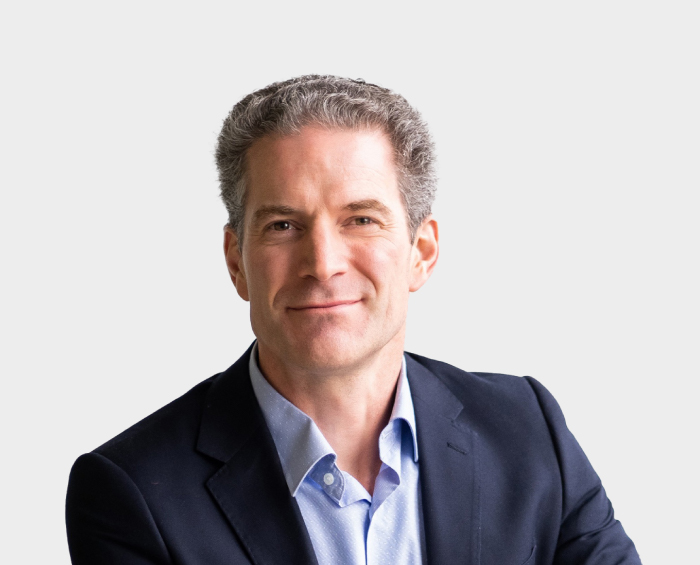
Pablo Enríquez
SAMSUNG | First Vice-Chairman of the Fundación ECOTIC Board of Trustees and Board Member of ECOTIC Entidad Administradora S.L.

SAMSUNG | First Vice-Chairman of the Fundación ECOTIC Board of Trustees and Board Member of ECOTIC Entidad Administradora S.L.
What role should producers play in accelerating the transition to a truly circular model in the electronics sector?
Producers have a duty to actively lead the transition towards a circular model by increasingly incorporating recycled materials into their supply chains, even when this involves technical or economic challenges. This commitment calls for ongoing innovation, dedication, and collaboration across the entire value chain to continuously improve the quality and availability of recycled components.
They should also actively promote eco-design to extend the useful life of devices, making them easier to repair and fully recycle. Equally important is the careful implementation of effective collection and refurbishment programmes, fully aligned with European regulations, to reduce resource extraction and minimise electronic waste generation.
What barriers hinder consumer involvement in WEEE recycling and how can they be overcome?
One of the main barriers is the lack of knowledge about how to recycle correctly and the perception that the process is complicated or inconvenient. This limits the adoption of long-term sustainable habits and reduces public participation.
To overcome these barriers, it is crucial to invest in environmental education from an early age, encouraging a culture of separation and recycling. It is also essential to expand collection networks with easily accessible drop-off points – such as supermarkets or electronics stores – so that recycling is simple and convenient for consumers.
What sets ECOTIC apart as an Extended Producer Responsibility Collective System (EPRCS) in an increasingly demanding sustainability and regulatory landscape after 20 years?
ECOTIC stands out for its transparency and commitment to quality, earning the trust of companies and institutions over two decades. Its efficient management enables members to meet their environmental obligation without straining operational resources, while adapting to a clearly changing and demanding market.
ECOTIC also ensures that its processes meet the highest legal and sustainability standards, consolidating its position as a reliable partner for the comprehensive management of recycling responsibilities and helping to build a strong, transparent circular economy.