

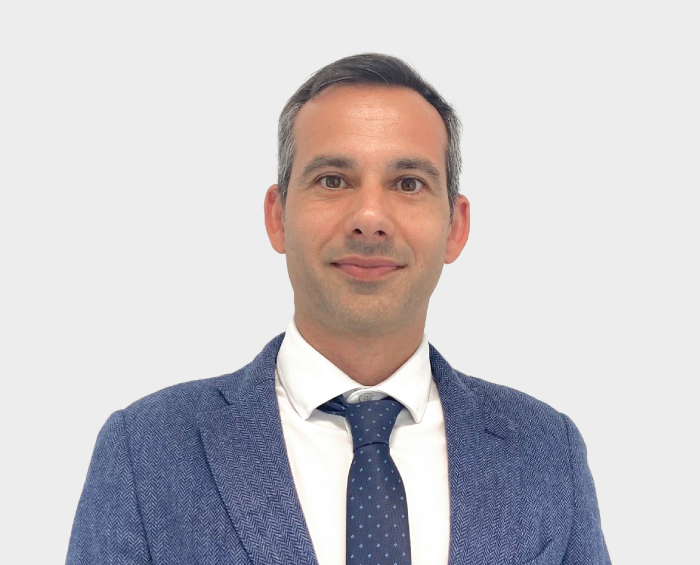
Iván Martín
DAIKIN | Second Vice-Chairman of the Fundación ECOTIC Board of Trustees and Board Member of Fundación ECOTIC Clima and ECOTIC Entidad Administradora S.L.
DAIKIN | Second Vice-Chairman of the Fundación ECOTIC Board of Trustees and Board Member of Fundación ECOTIC Clima and ECOTIC Entidad Administradora S.L.
What role should producers play in accelerating the transition to a truly circular model in the electronics sector?
Producers must take a leading role in the transition to a circular model, as they can influence every stage of a product’s life cycle. From eco-design, with a strong focus on reducing raw materials and reintroducing recovered materials, to specific initiatives such as using regenerated refrigerant gases, like the “LooP by DAIKIN” programme, which avoids the production of new refrigerants and reduces emissions. Sustainability has become a key focus of our R&D and is embedded in our corporate culture. But this responsibility goes beyond design. Extended Producer Responsibility obliges us to ensure the proper collection, treatment and recovery of WEEE.
To achieve this, we must coordinate all stakeholders – waste managers, distributors, consumers and public authorities – in a concerted effort. We also have a duty to communicate clearly and honestly with consumers, helping them to better understand the real impact of their behaviour and empowering them to play an active and responsible part in this circular model.
What barriers hinder consumer involvement in WEEE recycling and how can they be overcome?
Misinformation and conflicting messages remain significant barriers. Many consumers are unsure what to do with their WEEE or lack confidence in the current recycling system. As a sector, we need to simplify our message, provide accurate and transparent data, and share the effort involved in managing this waste. Only with clear and consistent communication will we build the trust needed to encourage more active participation.
Another challenge is the absence of tangible incentives. Many consumers do not perceive a direct benefit from recycling and see it merely as an obligation. We must therefore explain clearly the social, economic and environmental benefits of their actions. Quantifying the positive impact with concrete figures and real examples helps create an emotional connection with citizens and reinforces the idea that their involvement is vital to the system’s success.
What sets ECOTIC apart as an Extended Producer Responsibility Collective System (EPRCS) in an increasingly demanding sustainability and regulatory landscape after 20 years?
Over its 20-year history, ECOTIC has shown a consistent ability to adapt to a changing and increasingly complex environment: from evolving regulations and sector growth to the rise in stakeholders and greater environmental awareness. Throughout this time, it has demonstrated remarkable foresight, adaptability and commitment to the producers it represents, becoming a benchmark in the field of sustainability.
Yet its greatest distinguishing strength is, without doubt, its exceptional people: highly experienced, dedicated professionals whose expertise has been crucial to ECOTIC’s ongoing development and will remain vital for successfully meeting future challenges. Thanks to this remarkable team, I am confident that ECOTIC will continue to lead in WEEE management and in actively promoting a more circular, sustainable model.