

Alberto Barón
Beko | Member of the Fundación ECOTIC Board of Trustees
Beko | Member of the Fundación ECOTIC Board of Trustees
What role should producers play in accelerating the transition to a truly circular model in the electronics sector?
Producers play a pivotal role in speeding up the transition to a circular model. It is no longer enough to manufacture efficient products: the entire cycle, from design to recycling, must be rethought, with an emphasis on durable, repairable and recyclable appliances. Eco-design and clear communication with consumers are essential to encourage more responsible use.
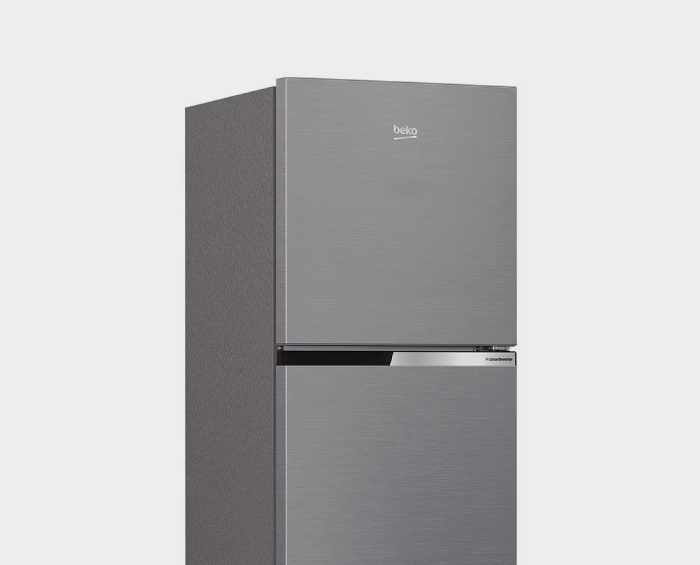
At Beko, sustainability runs through the entire value chain. We use recycled materials and advanced low-consumption technologies and consistently prioritise reliability, as clearly demonstrated by our fridge doors tested for more than 300,000 openings and trays designed to withstand over 100,000 cycles. But this transformation demands the active involvement of everyone: producers, distributors, waste managers and consumers.
We work to ensure that our activities are not only efficient but regenerative. Caring for the planet, our communities and our homes means developing technologies designed for the future. That is why producers must take an active, leading role.
What barriers hinder consumer involvement in WEEE recycling and how can they be overcome?
One of the main barriers is the lack of clear and accessible information about where and how to recycle WEEE. Consumers are often unaware of the available channels, question the real impact of their personal efforts, and face logistical challenges when disposing of bulky appliances. All of this discourages active participation in responsible recycling. Without practical, well-communicated, and user-friendly alternatives, it is difficult to expect consistent and responsible behaviour.
To address this, we need clearer, more environmental communication at every point of contact, together with easier, more convenient collection and recycling processes. The sector must work together on coordinated campaigns and inspire confidence. At Beko, we believe that when a brand promotes sustainability consistently – from design to end-of-life – it also motivates consumers to take action.
What sets ECOTIC apart as an Extended Producer Responsibility Collective System (EPRCS) in an increasingly demanding sustainability and regulatory landscape after 20 years?
In a context where sustainability is no longer optional but a critical social, business, and regulatory requirement, having a reliable EPRCS like ECOTIC is a key factor in moving decisively towards a truly circular economy.
Over its 20-year history, ECOTIC has shown that its contribution goes well beyond the efficient management of waste electrical and electronic equipment (WEEE). One of the qualities we value most at Beko is its comprehensive approach, which combines strong operational management with traceability, transparency and a commitment to continuous improvement.